Dubai Metro Gold Line: Everything you Need to Know About it
Dubai Metro Gold Line: Dubai’s Largest Ever Transport Expansion
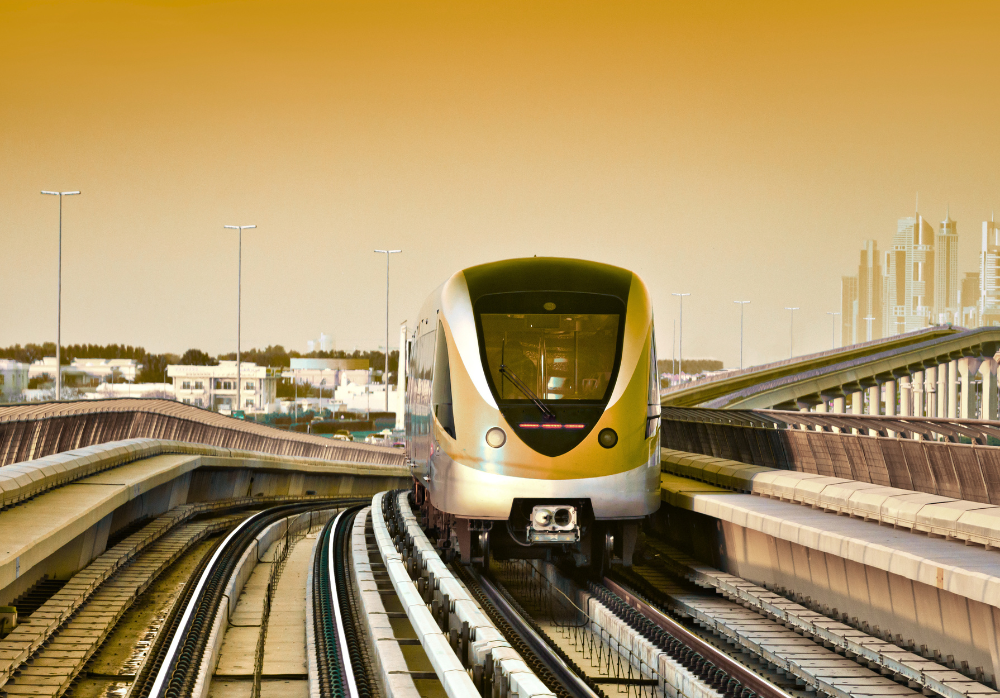
The Dubai Metro Gold Line represents the most ambitious transport project in the emirate’s history, with a total investment of AED 34 billion and a planned opening date of 9 September 2032. Designed as a fully underground metro line stretching 42 kilometers, it will introduce 18 new stations across 15 strategic districts, making it the first entirely subterranean line in Dubai’s network. This project is not just a transport upgrade; it is a structural reshaping of Dubai’s urban mobility, intended to serve 1.5 million residents by 2040 and reduce more than 40 million car trips annually. The Gold Line will expand the Dubai Metro network by 35%, increasing the total number of stations from 67 to 85 and extending the network length to 162 kilometers. Its depth reaching up to 40 meters underground which makes it one of the most technically complex infrastructure projects ever undertaken in the region. The line was approved on 22 April 2026 and is part of the broader Rail Network Plan 2032, which also includes the Blue Line and future Purple and Pink Lines. The Gold Line’s purpose is to relieve congestion on the Red Line, particularly between BurJuman and ONPASSIVE, where passenger density has historically been highest. By creating a parallel underground corridor, the Gold Line will distribute passenger flow more evenly across the city. It also fills a long-standing gap in metro coverage across rapidly growing suburban communities that have expanded faster than the transport network. With its combination of deep tunneling, multi-line interchanges, and integration with Etihad Rail, the Gold Line is positioned to become the backbone of Dubai’s next-generation mobility ecosystem. Its scale, complexity, and strategic importance make it a defining project for Dubai’s long-term urban development.
Full Route Breakdown: The 15 Key Areas the Gold Line Will Connect
The Dubai Metro Gold Line will run diagonally across the city, beginning at Al Ghubaiba in historic Bur Dubai and ending at Jumeirah Golf Estates in the southwest. Along its 42-kilometre path, it will pass through 15 major districts, each chosen for its population density, economic importance, or growth potential. The confirmed corridor includes Al Ghubaiba, Mina Rashid, BurJuman, Satwa (two stations), City Walk, Business Bay, Mohammed Bin Rashid (MBR) City, Meydan, MBR Gardens/Al Barari, Dubai Hills Estate, Al Barsha South, Jumeirah Village Circle
(JVC), Dubai Sports City/Studio City, Tilal Al Ghaf/JVT, and Jumeirah Golf Estates. These areas represent a blend of old Dubai, central business districts, and fast-growing suburban communities. The Gold Line will also feature major interchange points: Al Ghubaiba with the Green Line, BurJuman with both the Red and Green Lines, Business Bay with the Red Line, and Jumeirah Golf Estates with the Red Line and Etihad Rail. Meydan will also serve as a second Etihad Rail connection, making the Gold Line the first metro corridor in Dubai to integrate directly with the national railway network. This connectivity will allow seamless travel between Dubai and other emirates once Etihad Rail’s passenger services launch. The route is designed to support more than 55 major real estate developments currently under construction, particularly in Meydan, MBR City, Dubai Hills, and JVC, areas that have long awaited direct metro access. By linking these emerging communities with established commercial hubs like Business Bay and City Walk, the Gold Line will significantly reduce travel times and improve mobility across the city. Its strategic placement ensures that both residents and businesses benefit from enhanced accessibility, making it one of the most impactful infrastructure corridors ever planned in Dubai.
How the Gold Line Will Transform Daily Life and Urban Mobility
The Gold Line is expected to reshape how residents move across Dubai by offering a faster, more efficient alternative to road travel. With an estimated daily ridership of 465,000 passengers by 2040, the line will dramatically reduce traffic congestion, especially along the busy Red Line corridor. The fully underground design ensures uninterrupted service regardless of weather conditions and allows the metro to pass through dense urban areas without requiring surface-level construction. The Gold Line will serve more than 1.5 million residents, connecting them to key employment hubs such as Business Bay, City Walk, and MBR City. For communities like Dubai Hills, JVC, and Al Barsha South, areas that have grown rapidly without metro access the Gold Line will be life-changing. Commuters who previously relied on cars or buses will gain direct, high-frequency rail connectivity to the city’s core. The integration with Etihad Rail at Meydan and Jumeirah Golf Estates will also enable inter-emirate travel, allowing residents to move between Dubai, Abu Dhabi, and other emirates without using highways. This multimodal connectivity is part of Dubai’s long-term vision to create a unified national transport ecosystem. The Gold Line’s impact extends beyond convenience; it will also support sustainability goals by reducing carbon emissions and encouraging public transport adoption. The RTA estimates that the line will eliminate over 40 million car trips annually, significantly improving air quality and reducing road congestion. By expanding the metro network by 35%, the Gold Line strengthens Dubai’s position as one of the most advanced urban mobility systems in the world. Its combination of deep tunnelling, multi-line interchanges, and national rail integration makes it a transformative project that will redefine daily life for millions of residents.
Real Estate Impact: Why the Gold Line Is a Major Investment Catalyst
Historically, every major metro expansion in Dubai has triggered measurable increases in property demand, rental yields, and long-term capital appreciation. The Gold Line is expected to be the most influential yet, because it connects high-growth communities that previously lacked metro access. Areas such as Meydan, MBR City, Dubai Hills Estate, JVC, and Al Barsha South are projected to see the strongest uplift. These districts already attract significant investor interest due to their master-planned layouts, modern amenities, and competitive pricing. With the introduction of the Gold Line, they will gain the one element they were missing: direct, rapid transit connectivity to the city’s commercial and leisure hubs. This shift is expected to increase liquidity, reduce vacancy rates, and elevate rental demand. Business Bay and City Walk, already mature markets which will benefit from improved accessibility and increased footfall, strengthening their long-term stability. Meanwhile, Jumeirah Golf Estates, which will serve as both a Red Line and Etihad Rail interchange, is positioned to become one of Dubai’s most strategically connected luxury communities. The Gold Line will also support more than 55 major real estate developments, many of which are still in early growth phases. As these projects progress toward completion, the presence of a metro station will significantly enhance their marketability. Investors typically see price appreciation begin several years before a metro line opens, meaning the window between 2026 and 2032 represents a prime investment period. The Gold Line’s ability to link old Dubai, central districts, and emerging suburbs creates a balanced ecosystem where both established and developing communities benefit. For investors, this is a rare opportunity to capitalize on infrastructure-driven growth in a market known for strong returns and long-term stability.
The Dubai Metro Gold Line stands as one of the most transformative infrastructure projects in the emirate’s history, reshaping mobility, urban planning, and real estate investment for decades to come. With its 42-kilometre fully underground route, 18 stations, and connections across 15 key districts, the Gold Line is designed to integrate old Dubai, central business hubs, and rapidly expanding suburban communities into a single, seamless transport corridor. Its strategic interchanges with the Red Line, Green Line, and Etihad Rail elevate it beyond a metro project, it becomes a national mobility connector that will redefine how residents and visitors move across the UAE. The Gold Line’s impact on daily life will be profound. By serving more than 1.5 million residents and eliminating over 40 million car trips annually, it will reduce congestion, improve air quality, and offer a faster, more reliable alternative to road travel. Communities like Meydan, MBR City, Dubai Hills, and JVC, long underserved by public transport, will gain direct access to the city’s commercial and leisure centers, significantly enhancing quality of life. From a real estate perspective, the Gold Line represents a rare and powerful catalyst for growth. Historically, metro expansions in Dubai have driven strong increases in property values, rental demand, and investor activity. With more than 55 major developments
positioned along the Gold Line corridor, the next six years leading up to the 2032 opening present a prime window for strategic investment. Areas gaining first-time metro access are expected to see the strongest appreciation, while established districts will benefit from improved connectivity and increased liquidity. Ultimately, the Gold Line is more than a transport upgrade, it is a blueprint for Dubai’s next phase of urban evolution. By linking heritage districts with emerging communities and integrating metro and national rail networks, it reinforces Dubai’s position as one of the world’s most forward-thinking, investment-driven cities.