Dubai’s Safety Reputation in 2026: How the City Remains Secure Despite the Iran Conflict
Dubai’s global reputation as one of the safest cities in the world has been tested many times over the past decade, yet it has consistently proven its resilience. In 2026, with the Iran conflict dominating headlines and raising concerns about regional stability, the question “Is it safe to travel to Dubai right now?” has become increasingly common among tourists and investors. The reality on the ground, however, tells a very different story from the anxiety portrayed in international media. Dubai continues to operate with complete normalcy, supported by one of the most advanced security infrastructures in the world. The UAE’s intelligence capabilities, AI-powered surveillance systems, and rapid-response protocols ensure that the city remains insulated from external threats. Even as tensions escalate between Iran and neighbouring states, Dubai’s internal environment remains calm, orderly, and highly controlled. The UAE’s strategic diplomacy plays a major role in this stability; the country maintains strong relationships with global powers, avoids entanglement in regional conflicts, and prioritises neutrality. This approach has historically shielded Dubai from the spillover effects of Middle Eastern tensions, and 2026 is no exception. Travellers arriving today still experience seamless airport operations, safe public transportation, and a visible yet unobtrusive security presence across the city. Tourism numbers remain strong, with hotels, malls, beaches, and attractions operating at full capacity. Families walk comfortably at night, solo travellers feel secure, and public spaces remain clean, organised, and heavily monitored. The UAE’s geographic distance from active conflict zones further reduces risk, and its advanced defense systems provide an additional layer of protection. While the Iran conflict has created uncertainty across the region, Dubai’s internal stability remains unshaken. The city continues to welcome millions of visitors who quickly realise that life in Dubai feels completely normal, vibrant, safe, and far removed from the tensions unfolding elsewhere in the Middle East.
Economic Stability During Regional Tension: Why Dubai Remains a Safe Haven for Investors
The Iran conflict has undoubtedly created economic uncertainty across parts of the Middle East, but Dubai’s diversified economy has once again demonstrated its ability to withstand regional shocks. Investors evaluating whether it is safe to invest in Dubai right now are finding that the city remains one of the most stable and opportunity-rich markets in the world. Dubai’s economy continues to grow, supported by strong performance in tourism, logistics, finance, technology, and real estate. The UAE’s long-standing policy of political neutrality, combined with its strong alliances with Western and Asian powers, ensures that economic activity remains uninterrupted even during regional tension. The UAE dirham’s peg to the US dollar
provides additional financial security, protecting investors from currency volatility that often accompanies geopolitical conflict. Global capital continues to flow into Dubai, not away from it, as investors seek safe, well-regulated markets with strong returns. The government’s pro-business policies, including zero income tax, 100% foreign ownership, and streamlined company formation, further reinforce Dubai’s position as a global investment hub. Even with the Iran conflict in the background, major infrastructure projects, hospitality developments, and technology initiatives continue at full speed. This consistency sends a powerful message to global investors: Dubai is not slowing down. The city’s ability to maintain economic momentum during regional instability is a testament to its strong governance, strategic planning, and diversified economic model. For investors seeking stability, liquidity, and long-term growth, Dubai remains one of the most attractive markets in 2026. The Iran conflict may be reshaping regional dynamics, but Dubai’s economic foundation remains solid, predictable, and uniquely resilient.
Dubai Real Estate in 2026: Why Demand Remains Strong Despite the Iran Conflict
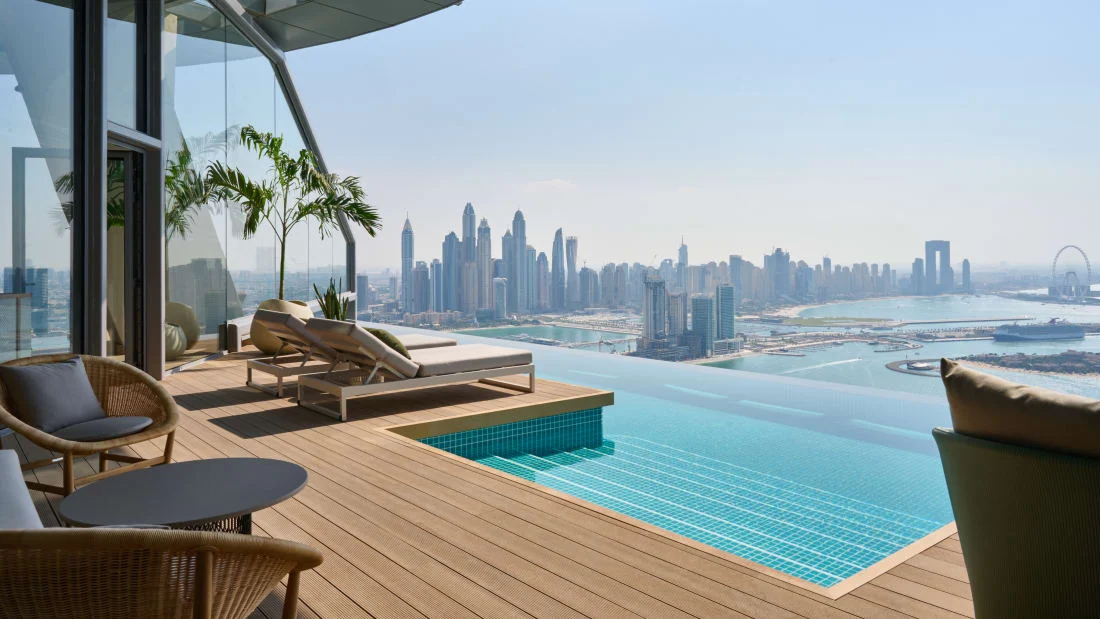
Dubai’s real estate market has historically been one of the strongest indicators of investor confidence, and 2026 is no different. Despite the Iran conflict and rising geopolitical tension across the Middle East, Dubai’s property market continues to experience high demand from both local and international buyers. Investors from Europe, the US, Asia, and the GCC are increasingly viewing Dubai as a safe haven a stable, well-regulated market offering strong rental yields, high liquidity, and long-term capital appreciation. Off-plan sales remain exceptionally strong, with developers launching new projects at a rapid pace to meet demand. Ready properties continue to appreciate, particularly in prime areas such as Downtown Dubai, Dubai Marina, Business Bay, Palm Jumeirah, and Dubai Hills. Meanwhile, emerging communities like Meydan, Dubai South, and JVC are attracting buyers seeking affordability and long-term growth potential. The Iran conflict has not deterred investors; in many cases, it has accelerated demand as buyers seek to move capital into stable markets. Dubai’s population continues to grow, driven by an influx of skilled professionals, entrepreneurs, and remote workers seeking safety, opportunity, and a high quality of life. This population growth fuels rental demand, keeping yields among the highest of any major global city. Government reforms, including long-term residency visas, Golden Visas, and retirement visas have transformed Dubai from a transient market into a long-term home for many expatriates. This shift has created a more mature, stable, and sustainable real estate environment. Even with regional instability, Dubai’s property market remains one of the most attractive investment opportunities in the world. The combination of safety, economic resilience, and strong returns makes Dubai uniquely positioned to outperform other global markets in 2026 and beyond.
Travel, Lifestyle, and Daily Life in Dubai: What Visitors Experience During the Iran Conflict
Despite the Iran conflict and heightened regional tension, daily life in Dubai remains completely normal, vibrant, and uninterrupted. Tourists and residents continue to enjoy the city’s world-class attractions, luxury shopping malls, pristine beaches, and diverse dining scene. Major events, including international conferences, concerts, exhibitions, and sporting tournaments, continue without disruption. Dubai’s hospitality sector remains strong, with hotels reporting high occupancy rates and airlines operating full schedules. Emirates, FlyDubai, and international carriers continue to fly in and out of Dubai without interruption, signalling strong confidence in the city’s safety and stability. Public transportation remains efficient and secure, and tourist areas are heavily monitored to ensure a safe and enjoyable experience. The UAE government’s communication strategy also plays a key role in maintaining public confidence; updates are clear, measured, and focused on reassurance rather than alarm. Dubai’s multicultural population, representing over 200 nationalities continues to live harmoniously, supported by a legal framework that priorities tolerance, coexistence, and social stability. Even with the Iran conflict unfolding in the region, Dubai feels far removed from the tension. The city’s advanced defense systems, strong international alliances, and strategic diplomacy provide a sense of security that few global cities can match. For travellers, the experience remains seamless: safe streets, clean public spaces, efficient services, and a welcoming environment. For residents and investors, Dubai continues to offer a lifestyle defined by safety, opportunity, and global connectivity. The contrast between regional headlines and the reality on the ground is striking, while the Middle East faces challenges, Dubai remains a beacon of stability and progress.
In 2026, with the Iran conflict raising concerns across the Middle East, many travellers and investors are asking whether Dubai remains safe. The answer, supported by on-the-ground reality, economic data, and global investor behaviour, is clear: Dubai continues to be one of the safest, most stable, and most opportunity-rich cities in the world. The UAE’s advanced security systems, strong governance, and diplomatic neutrality ensure that daily life remains unaffected by regional tensions. Tourism continues to thrive, with millions of visitors enjoying Dubai’s world-class attractions, safe public spaces, and vibrant lifestyle. The economy remains strong, supported by diversification, global partnerships, and pro-business policies that attract entrepreneurs, corporations, and high-net-worth individuals. The real estate market, in particular, has demonstrated exceptional resilience, with demand continuing to rise across both luxury and affordable segments. Investors recognise Dubai as a safe haven, a market that offers high returns, long-term stability, and strong regulatory protections. The Iran conflict may be reshaping regional dynamics, but Dubai’s internal environment remains calm, secure, and forward-looking. Whether you are considering traveling to Dubai or evaluating investment opportunities, the evidence is overwhelming: Dubai remains a safe, stable, and strategically positioned city that continues to grow despite regional challenges. For travellers seeking
security and world class experiences, and for investors seeking stability and strong returns, Dubai stands out as one of the most reliable choices in 2026.